GRAST Spring Semester 2026 Successfully Completed with Student Project Presentations

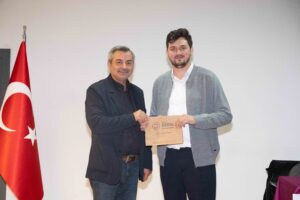
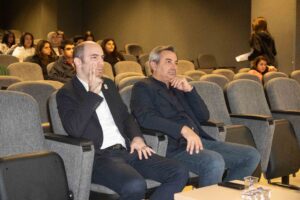
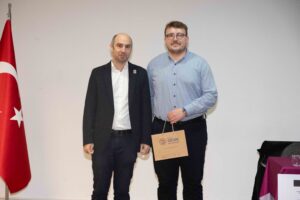
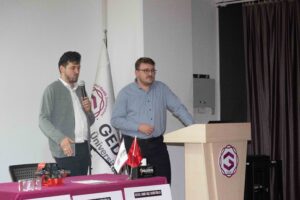
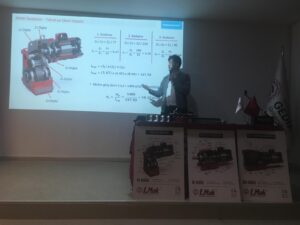
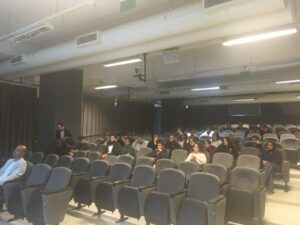
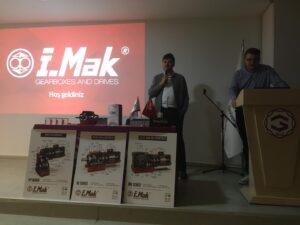
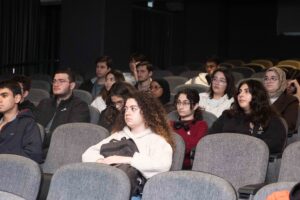
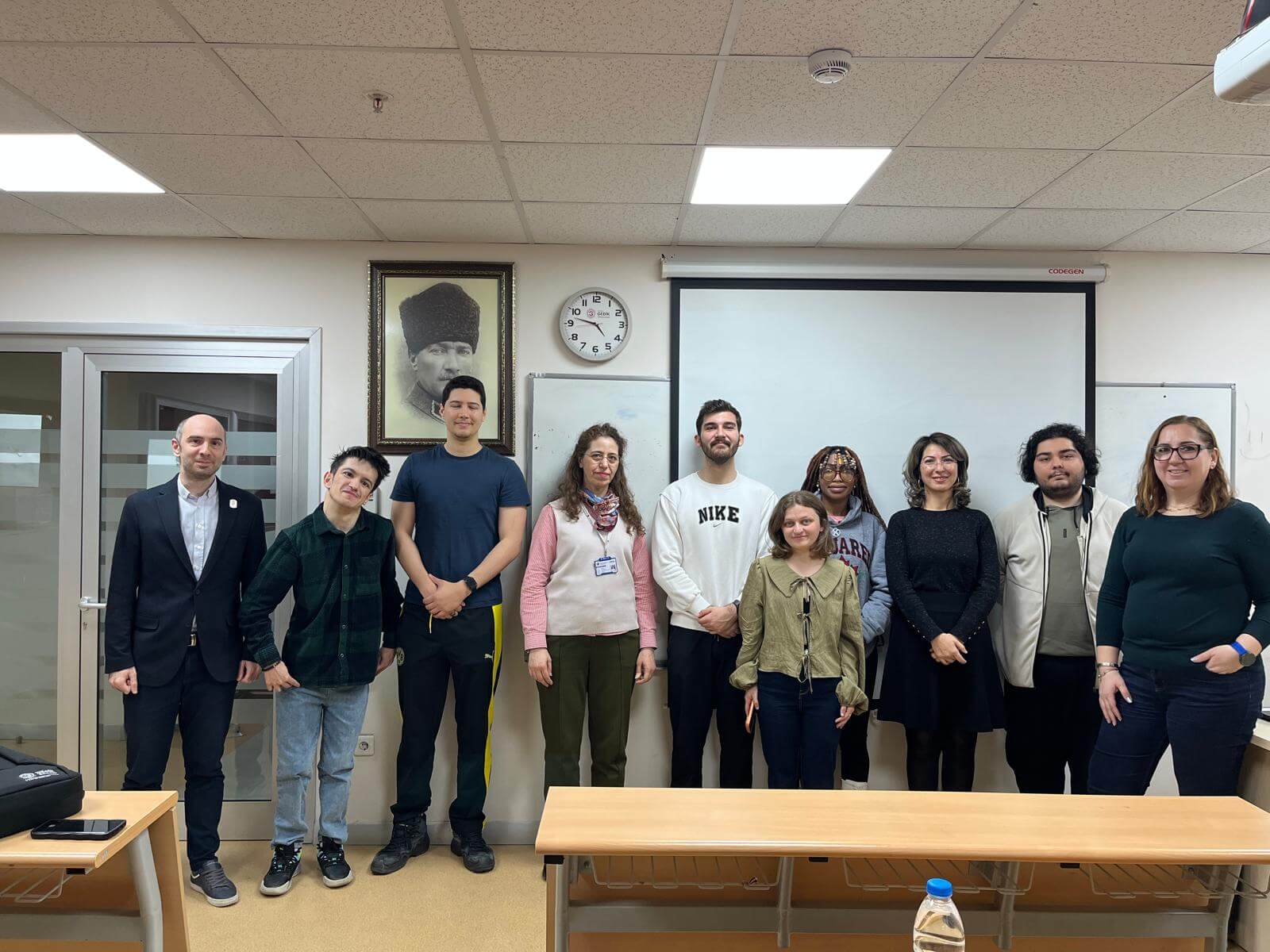
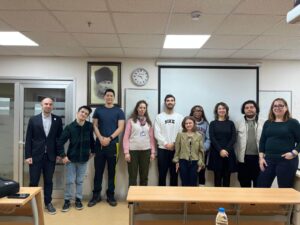
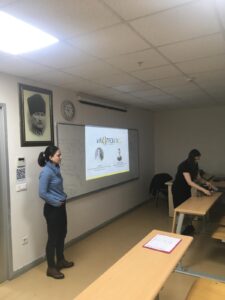
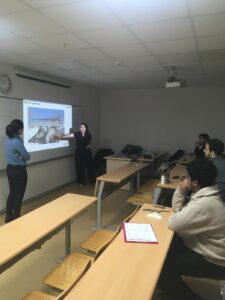
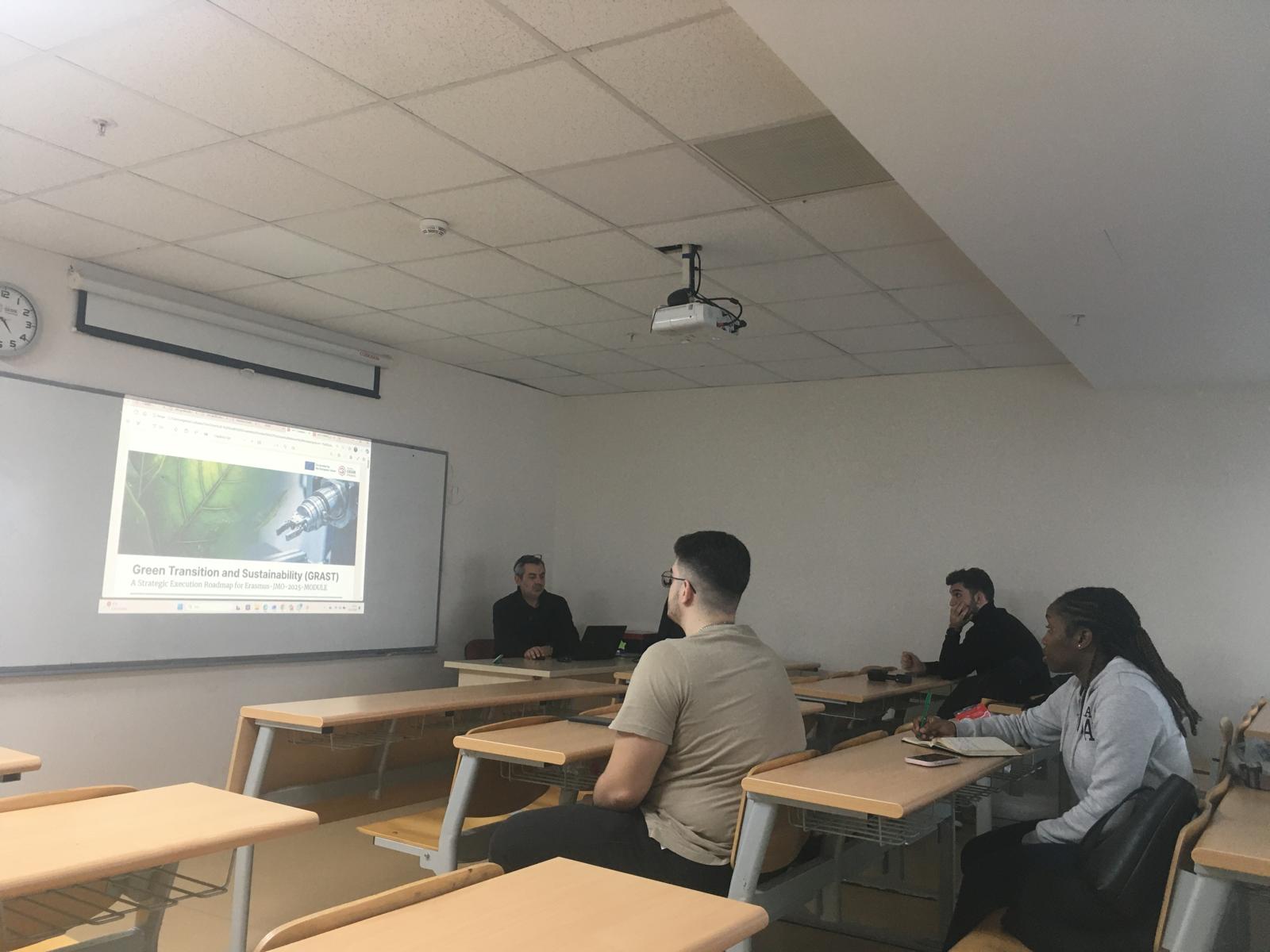
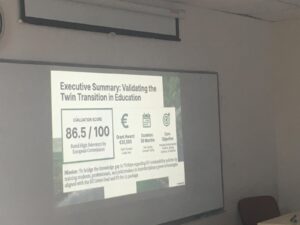
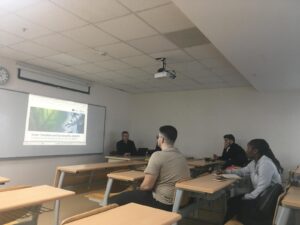
GRAST’s Spring Semester was successfully completed with a final project presentation event that brought together students. Throughout the semester, students actively participated in courses and practical activities focusing on advanced manufacturing technologies, digital transformation, sustainability and Industry 4.0 applications. During the final presentations, students showcased the projects they had developed by applying the knowledge and skills gained throughout the semester. The presentations covered a wide range of topics related to innovative engineering solutions, smart manufacturing systems, automation technologies, sustainable production approaches and emerging policies. Students demonstrated their ability to analyze real-world challenges, develop creative solutions and effectively communicate their technical findings. The project presentations provided an important opportunity for students to strengthen their problem-solving, teamwork, research and presentation skills while gaining practical experience in addressing contemporary industrial and technological challenges. The successful completion of the Spring Semester marks another important milestone for the GRAST project in promoting innovation-oriented education and strengthening the connection between academic learning and industrial practice. The semester’s achievements reflect the commitment of both students and instructors to fostering technological competence, creativity and sustainable development perspectives among future professionals.

GTM Powder Introduced Innovative Industrial Solutions and Industry 4.0 Applications in GRAST Classes

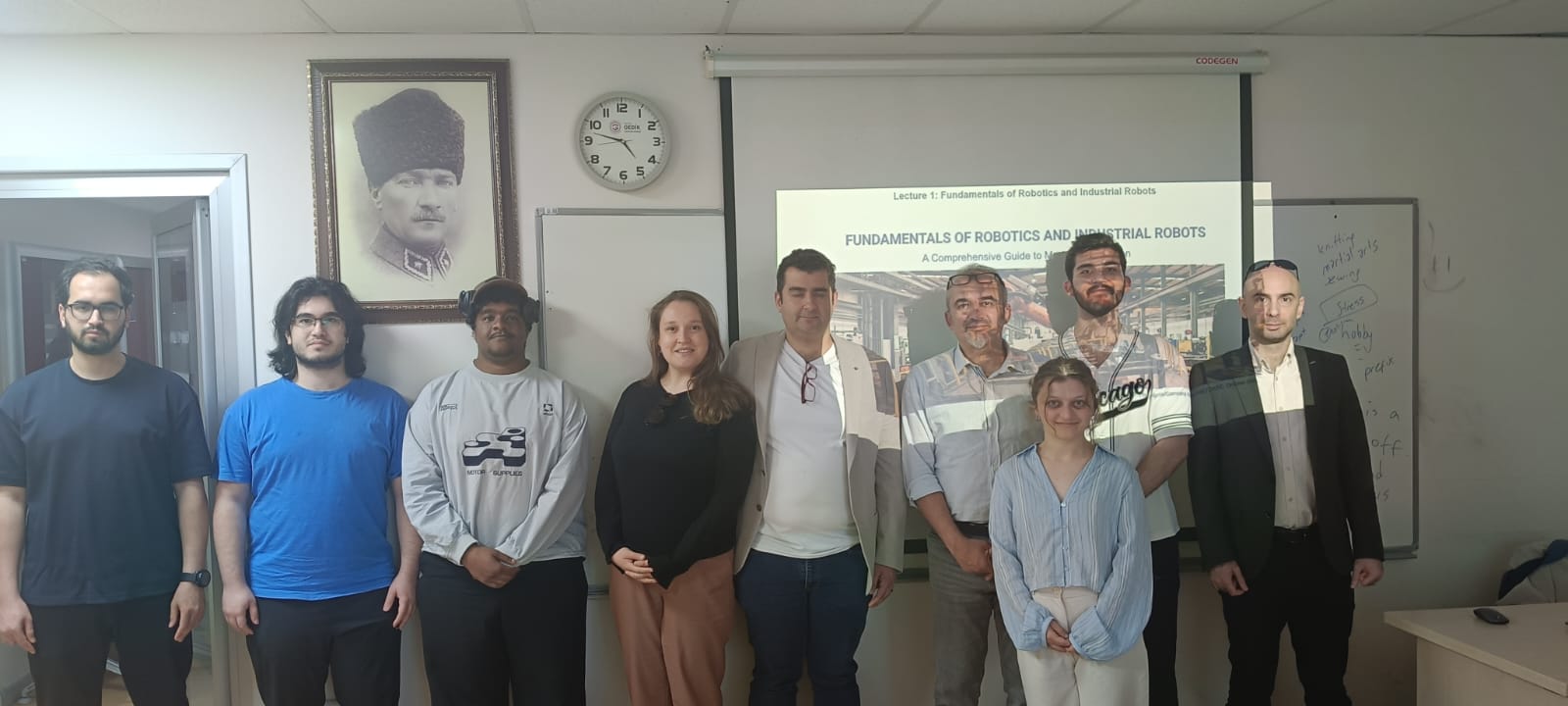
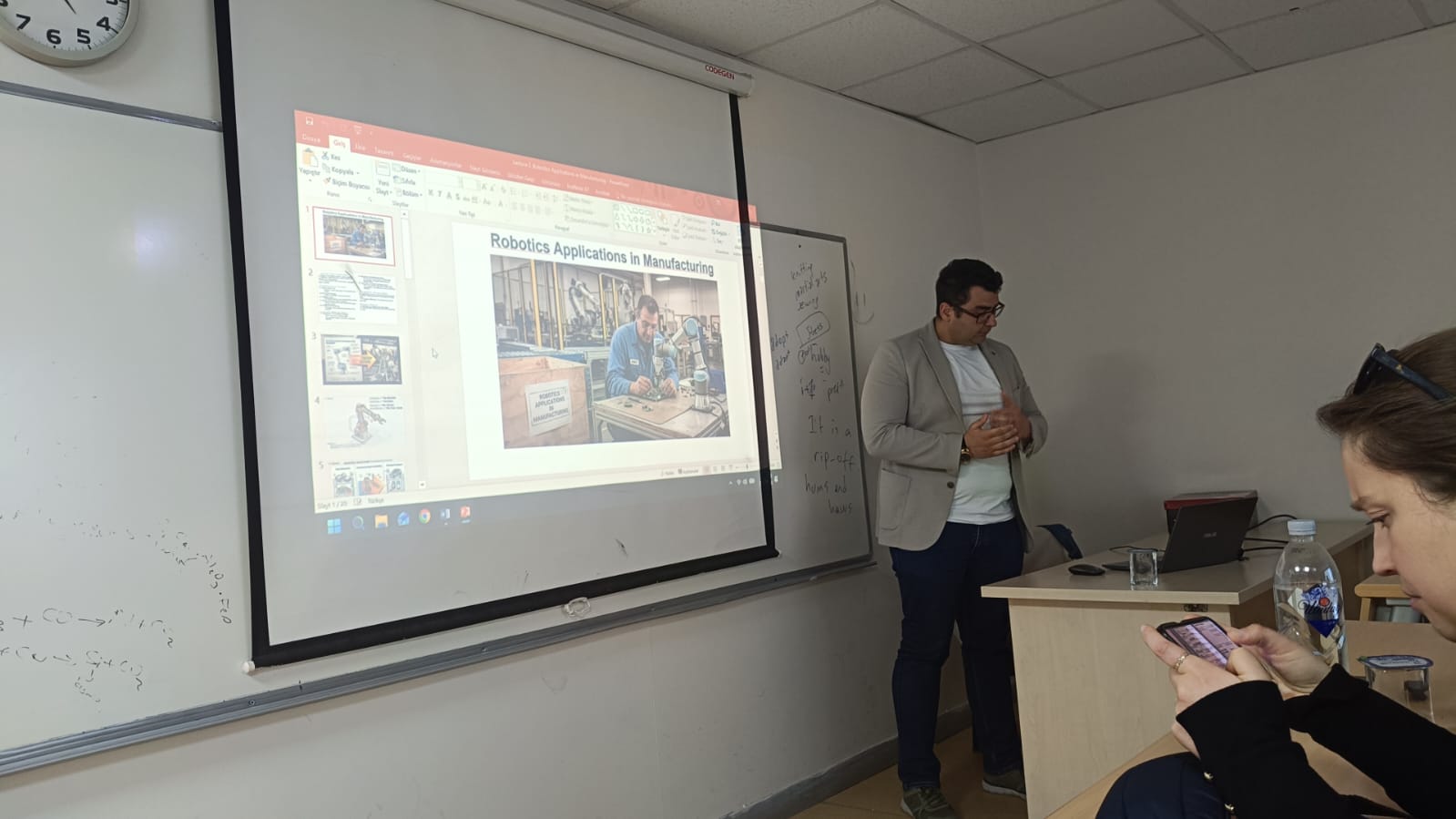
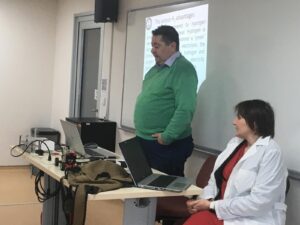
As part of the project activities, an inspiring session was organized with the participation of representatives from GTM Powder to strengthen the interaction between academia and industry while increasing students’ awareness of advanced manufacturing technologies and sustainable industrial solutions. During the event, GTM Powder representatives delivered presentations on robotic applications, smart manufacturing systems, and Industry 4.0 technologies. The sessions focused on how digital transformation and automation are reshaping modern production environments and improving efficiency, flexibility, and sustainability in industrial processes. In addition, participants were informed about innovative solutions developed for the energy sector, including advanced production technologies, sustainable manufacturing approaches, and smart engineering applications that contribute to energy efficiency and future-oriented industrial systems. The discussions highlighted the growing importance of integrating technological innovation with sustainable development goals. The company representatives also introduced GTM Powder’s corporate vision, production capabilities, and ongoing technological activities, providing students with valuable insights into current industrial trends and career opportunities in advanced manufacturing sectors. Students had the opportunity to better understand the practical applications of robotics, automation, and digital production technologies in real industrial environments. The sessions also emphasized the importance of collaboration between universities and industry in preparing future engineers for rapidly evolving technological ecosystems.

Kartal Municipality participated in GRAST classes

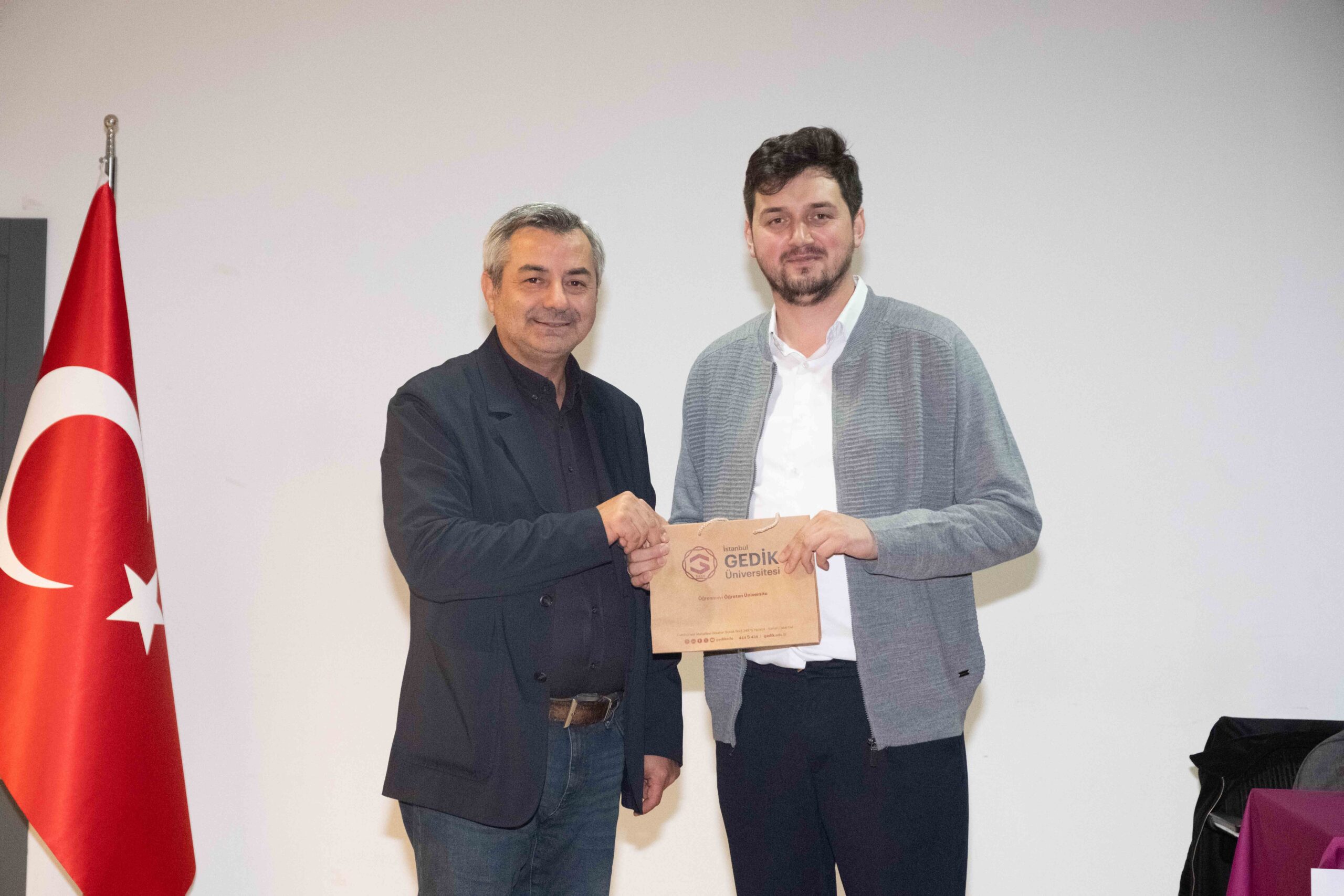
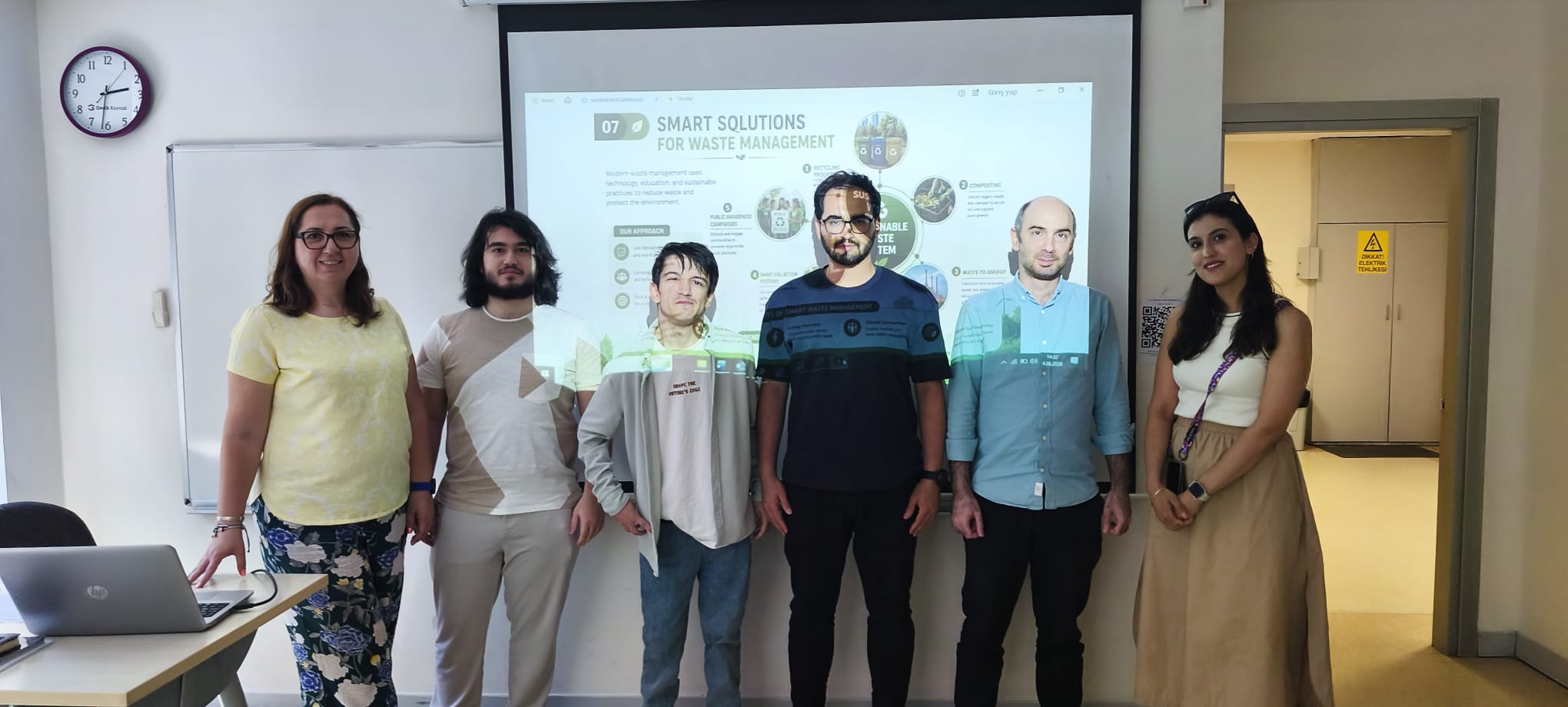
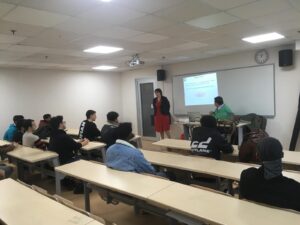
As part of the project activities, another valuable event was organized to enhance the connection between academia and local authorities while promoting sustainability awareness. In this context, representatives from Kartal Municipality participated in the course as guest speakers and shared their experiences on environmental management and sustainable urban practices. During the sessions, participants were informed about the municipality’s ongoing efforts toward creating a cleaner and more sustainable environment, including waste management strategies, recycling initiatives, green urban planning and community awareness projects. Discussions also highlighted the importance of individual and collective responsibility in protecting natural resources and reducing environmental impact. Students gained practical insights into how local governments contribute to environmental sustainability and the green transition through policy implementation and public engagement. The role of municipalities in fostering environmentally conscious communities was emphasized as a key component of sustainable development. Such collaborations with public institutions are planned to continue in line with the project’s objectives, supporting students in understanding real-world sustainability challenges and solutions. We would like to thank Kartal Municipality and all participating representatives for their valuable contributions and for sharing their knowledge and experiences with our students.

FİGES participated in GRAST classes

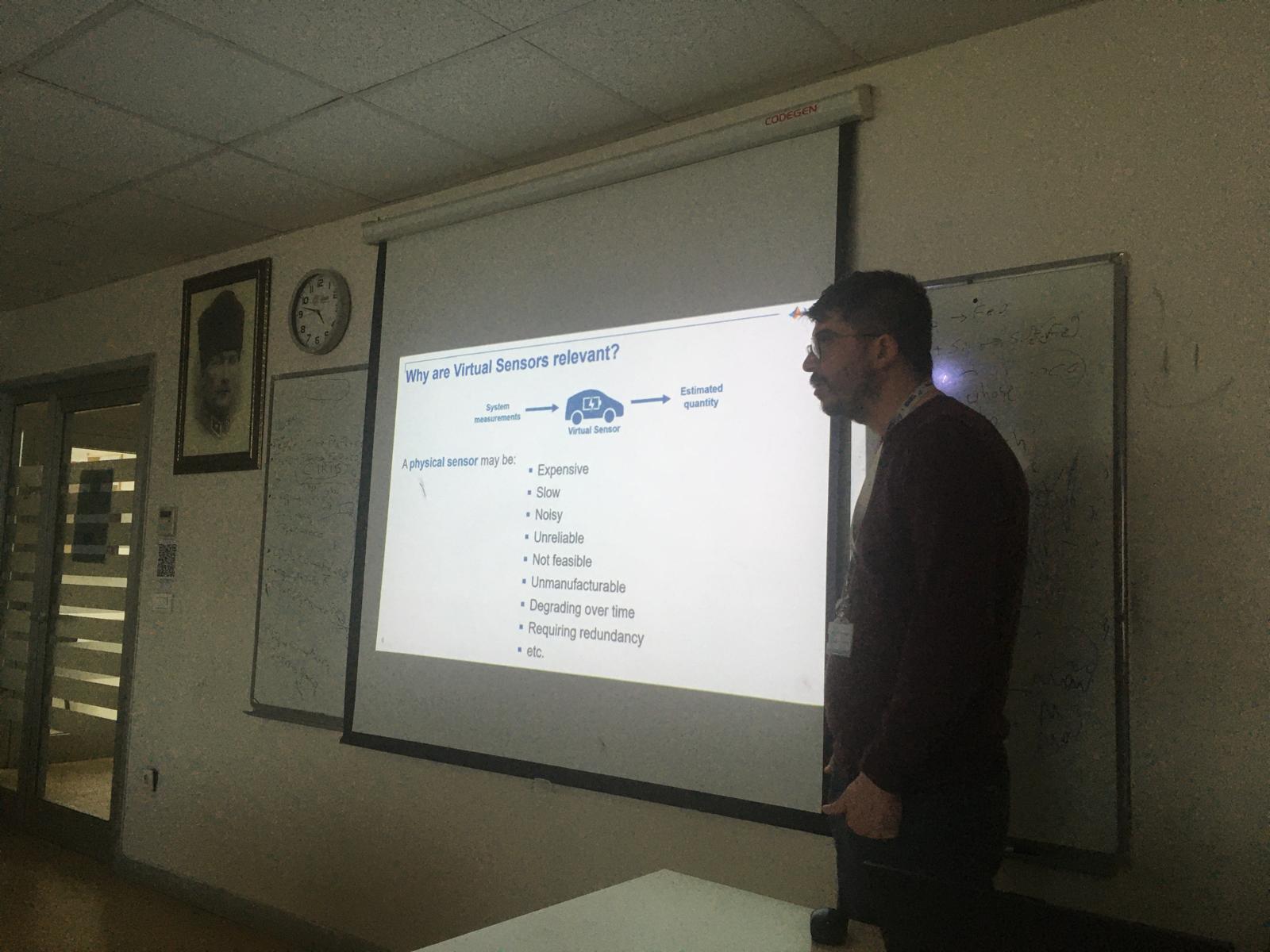
As part of the project activities, another important event has been carried out to strengthen academia–industry collaboration. In this context, FİGES participated in the course as a guest company. During the sessions delivered by Dr. Sebahattin Babür, the implementation and importance of Digital Twin applications in modern manufacturing were comprehensively discussed. Participants were provided with both theoretical insights and practical perspectives on how digital twin technologies contribute to the green transition and sustainability goals of the industry. The integration of digitalization with environmental efficiency was a key focus, offering students a deep dive into current industrial trends. Such industry-integrated activities are planned to continue in line with the project’s objectives. We would like to thank the entire FİGES family, especially Dr. Sebahattin Babür, for their valuable contributions and for sharing their expertise with our students.

GRAST Students Gain First Hands-On Experience in Additive Manufacturing Workshop

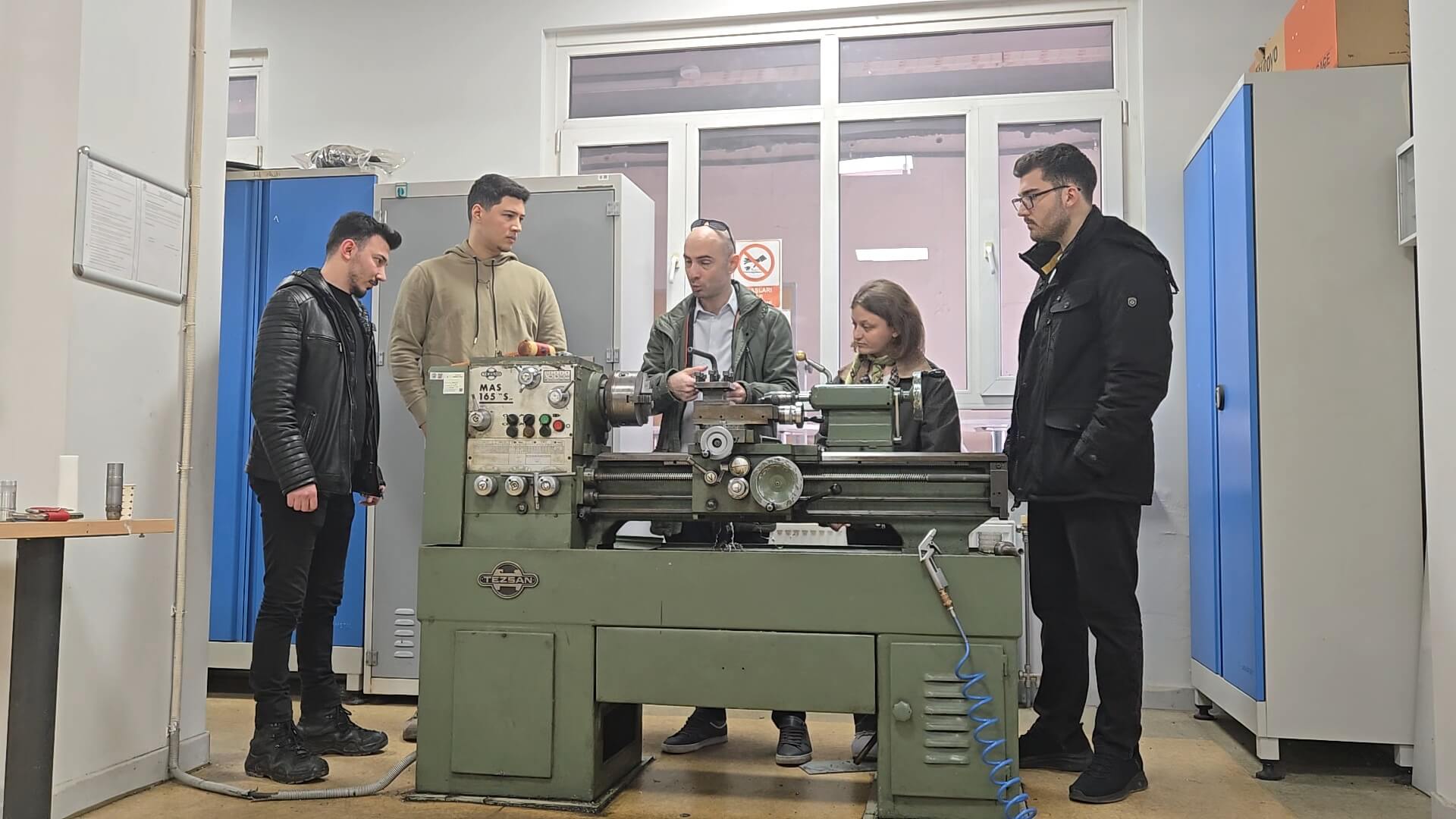
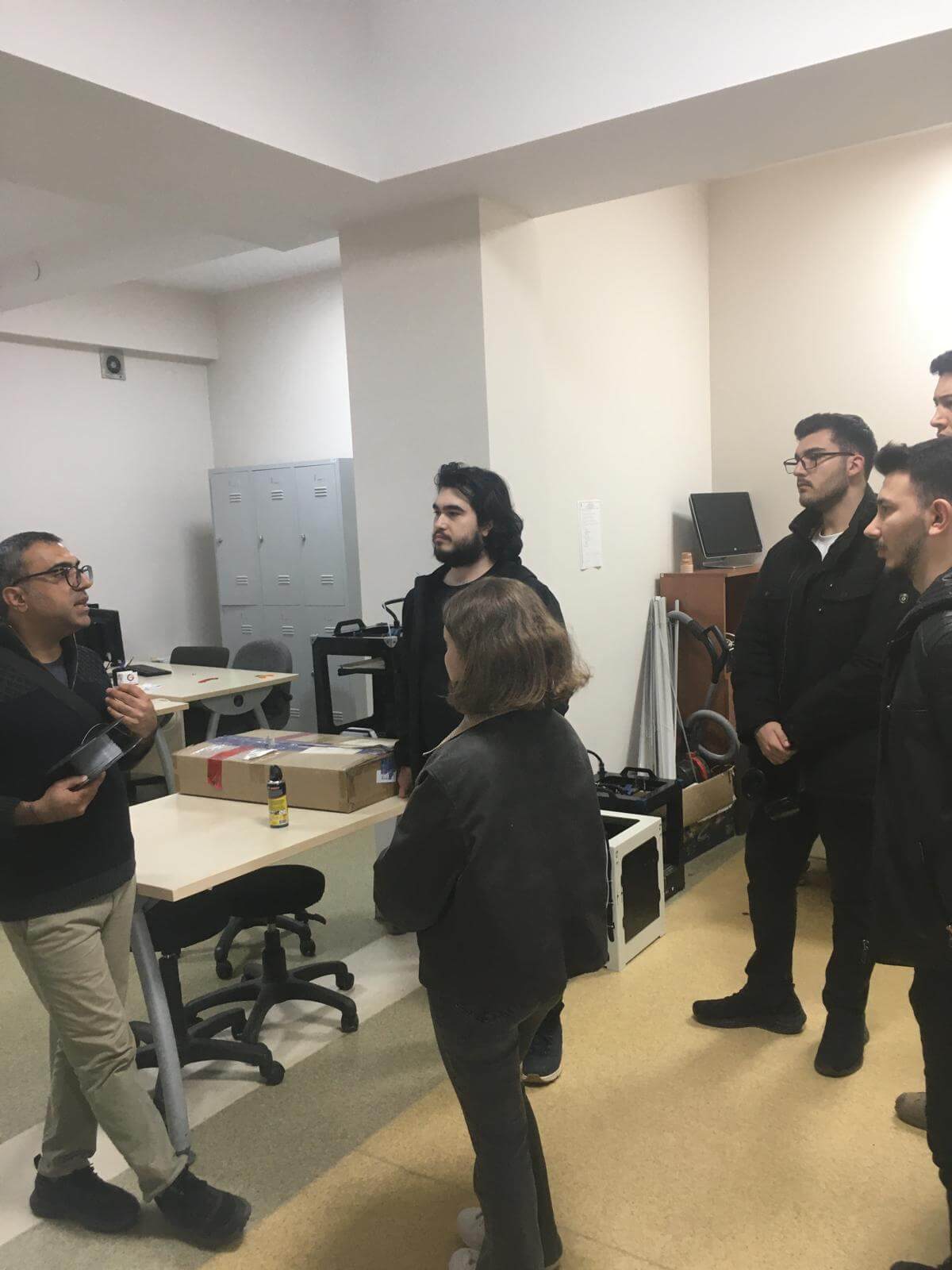
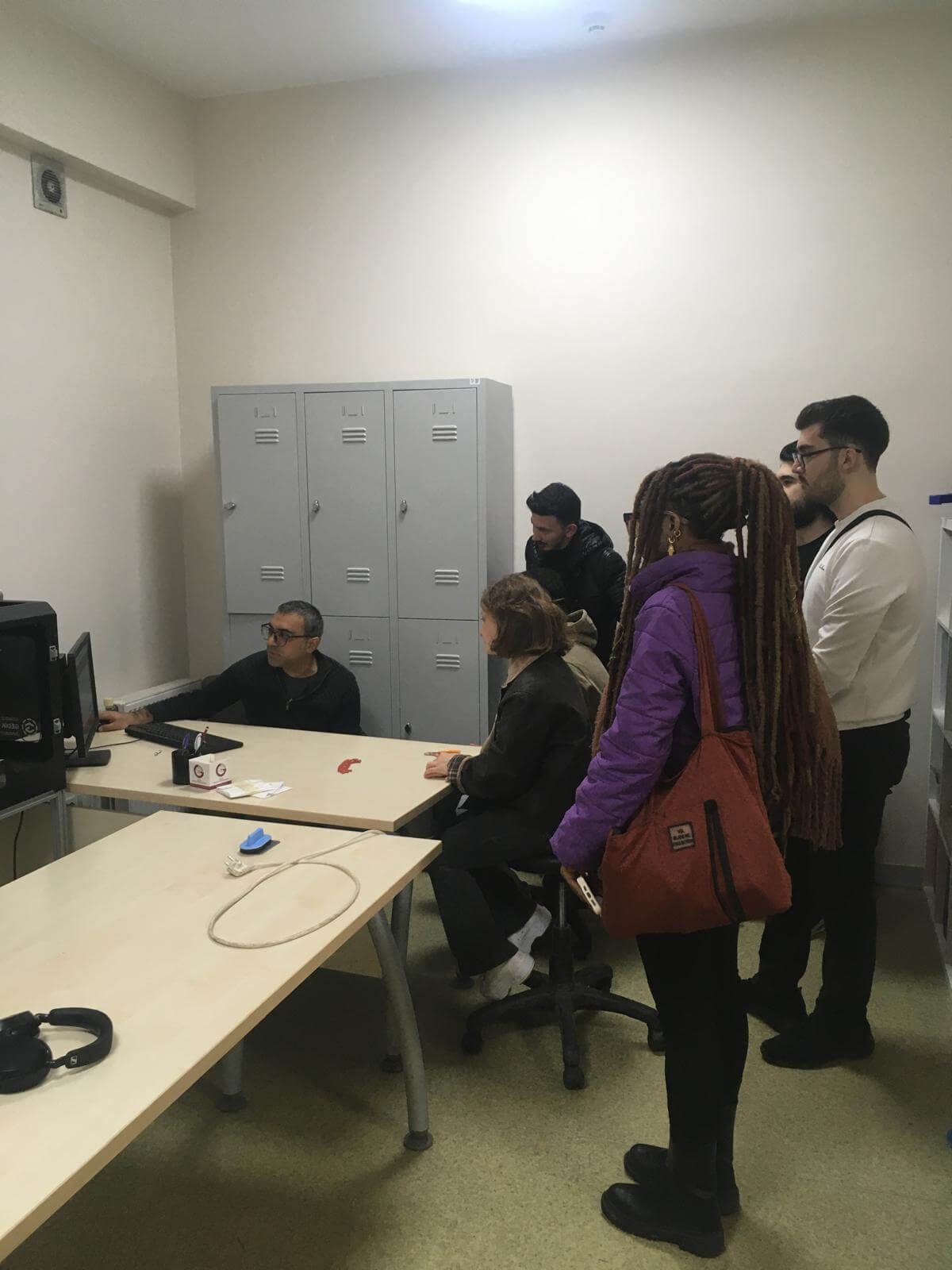
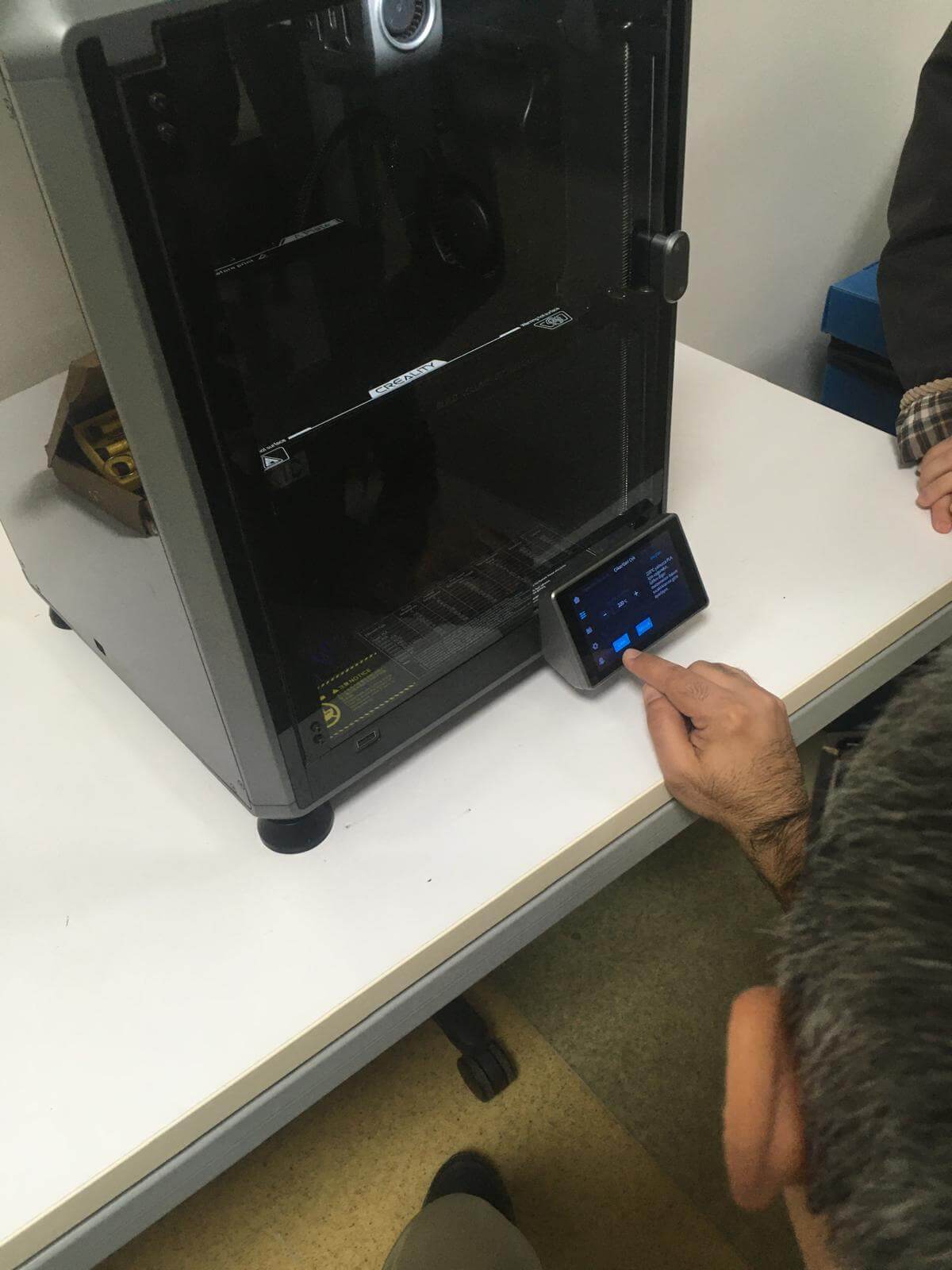
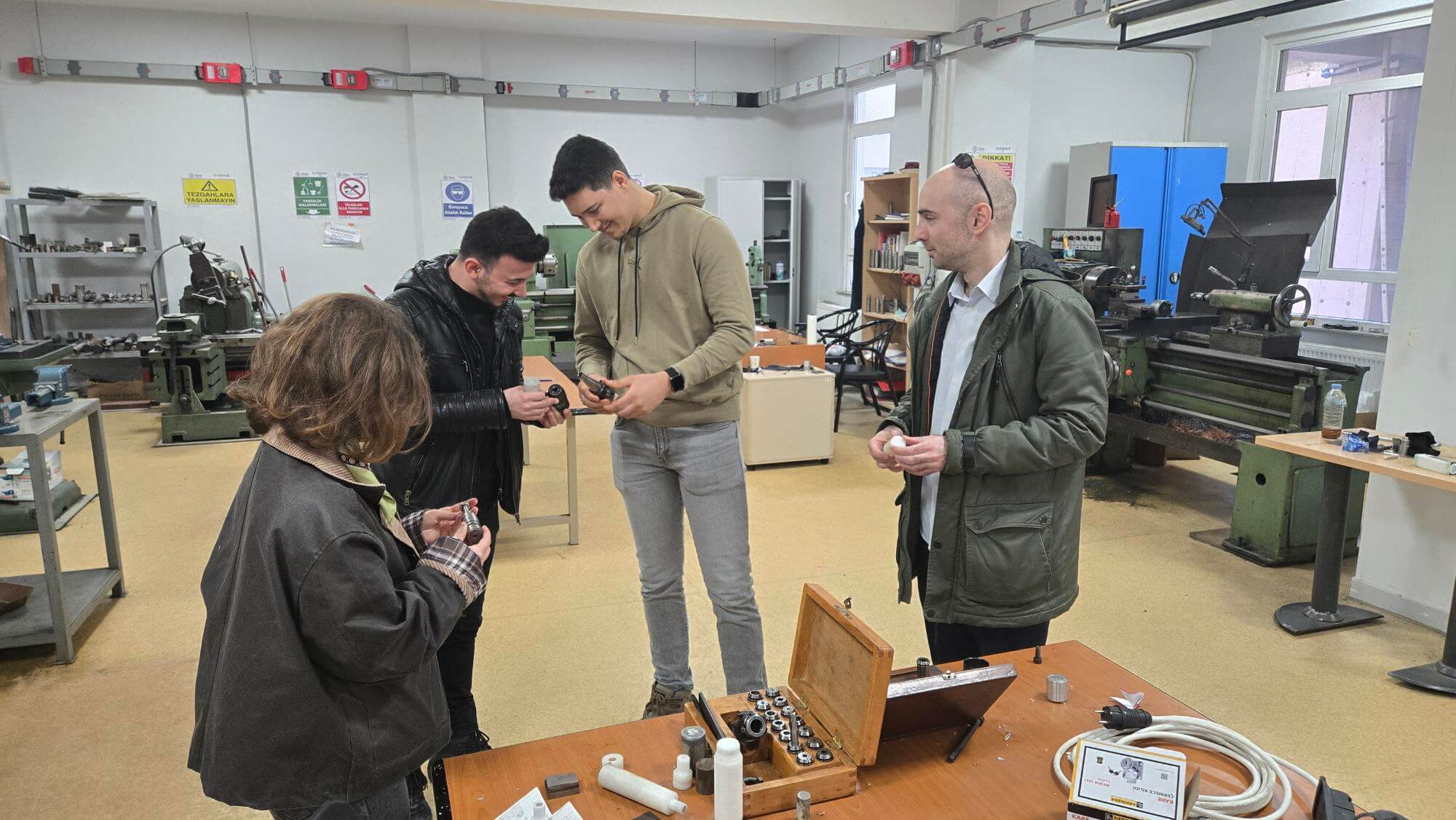
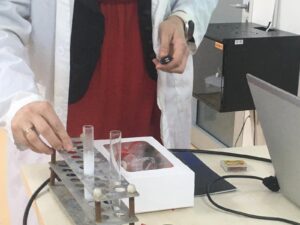
As part of the project activities, another important event has been carried out to strengthen academia–industry knowledge. In this context, our students first visited our manufacturing workshop where they had the opportunity to observe production processes on-site. This was followed by a hands-on additive manufacturing workshop. During the sessions, participants were introduced to the fundamental principles of additive manufacturing technologies, their current application areas and their role in modern production processes, combining both theoretical knowledge and practical insights. Particular emphasis was placed on sustainable manufacturing approaches and the integration of digitalization into production systems. In the practical phase of the workshop, students produced their own additive manufacturing parts, gaining their first hands-on production experience. This enabled them to directly observe the relationship between material selection, manufacturing methods and part performance, from design to final product. This practice-oriented training not only allowed students to transform their theoretical knowledge into practical skills but also enhanced their awareness of advanced manufacturing technologies. In line with the project objectives, similar hands-on and industry-integrated activities are planned to continue in the upcoming phases.

Infotron participated in GRAST classes

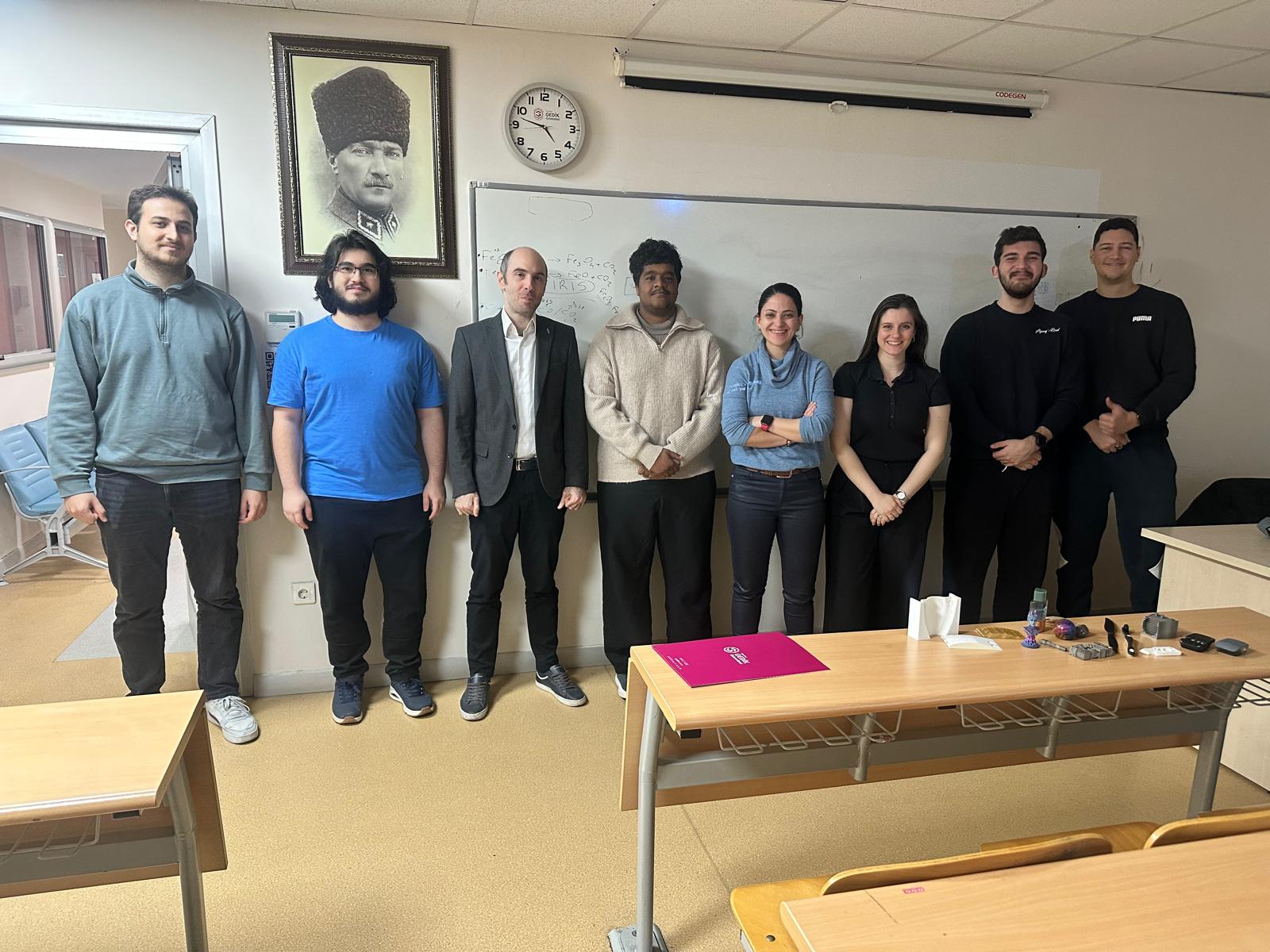
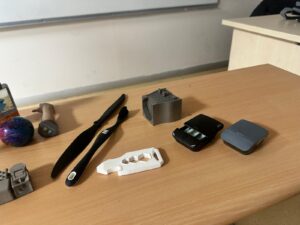
As part of the project activities, another important event has been carried out to strengthen academia–industry collaboration. In this context, Infotron participated in the course as a guest company. During the sessions delivered by Infotron experts, recent advancements in advanced manufacturing technologies, industrial applications, and their integration with green transition processes were comprehensively discussed. Participants were provided with both theoretical insights and practical perspectives on the implementation of sustainable manufacturing approaches in industry. Current trends at the intersection of digitalization and environmental sustainability were also highlighted. In addition, sample components produced by Infotron were presented to the students, allowing for hands-on examination. Students had the opportunity to closely analyze parts manufactured using different production techniques and gained valuable insights into the relationship between material, manufacturing methods, and performance. Such industry-integrated activities are planned to continue in the upcoming phases of the project, in line with its objectives. We would like to thank the entire Infotron family, especially Serhan Akın and Hazal Erdinç Canbay.

Bulgarian Academics Gave Special Presentation to Our Students

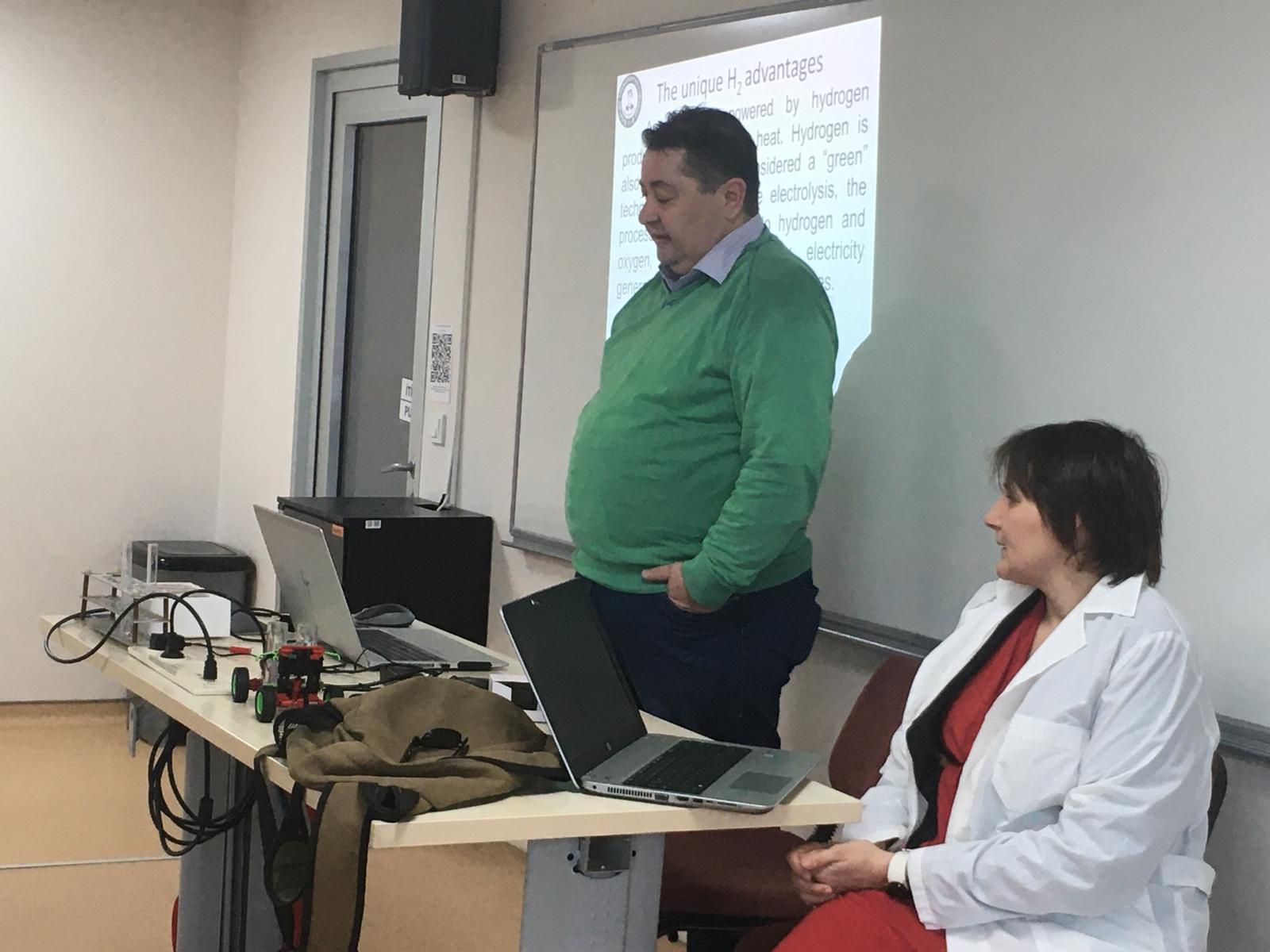
Members of Todor Kableshkov University of Transport and the Bulgarian Academy of Sciences, Dr. Miglena Slavova and Dr. Iliyan Slavov, visited our university between 23–27 February within the scope of the Erasmus+ Teaching Mobility program.

During their visit, they were guest lecturers in the Project Management and Engineering Ethics course conducted by Dr. Doruk Gürkan (Department of Mechanical Engineering). The academics delivered lectures on hydrogen fuel cells to Mechanical Engineering and Mechatronics Engineering students, sharing current developments in sustainable energy systems.

This visit contributed to the internationalization efforts of our university and provided valuable academic experience for our students. Our students, who gained important insights into project management, expressed their satisfaction with the event. We also extend our sincere thanks to the dedicated staff of our Erasmus Office for their valuable support.

GRAST Project Launched with Opening Lecture

Erasmus+ Jean Monnet project “Green Transition and Sustainability – GRAST” has held its opening lecture, officially marking the start of the project. The project brings together sustainable energy systems, advanced manufacturing technologies, robotics and environmental sciences through an interdisciplinary approach, in line with European Union’s 2050 carbon neutrality target and European Green Deal. Within the framework of addressing both green and digital transitions, the project will provide comprehensive knowledge on European Union’s sustainability and green transition policies to both students and practitioners. Aiming to strengthen interaction among academia, industry and policymakers, the project will offer flexible learning opportunities through courses delivered in the fall, spring and summer semesters, thereby contributing to international cooperation in the field of green sustainability in Türkiye.

Project Team: Doruk Gürkan, Fahriye Enda Tolon, Egemen Sulukan, Hüseyin Kaygısız, Özgür Yurtsever

Department of Mechanical Engineering Participated in the Jean Monnet Project Kick-off Meeting

The kick-off meeting organized within the scope of the Jean Monnet Actions, supported by the European Union, was held online on 11 December 2025.

The meeting took place via the Jean Monnet Community – Microsoft Teams platform and began with informative presentations by officials from the European Education and Culture Executive Agency (EACEA). During the meeting, topics such as the implementation processes of Jean Monnet projects, reporting obligations, visibility rules and examples of good practices were discussed.

On behalf of our university, Dr. Doruk Gürkan, a faculty member of the Department of Mechanical Engineering, participated in the meeting within the scope of the Jean Monnet Module Project titled “GRAST (Green Transition and Sustainability)”, for which he serves as the project coordinator.

The GRAST project aims to enhance awareness and develop academic capacity by addressing the European Union’s Green Deal, green transition and sustainability policies through an interdisciplinary approach.

Jean Monnet Scholarship Program for the 2025-2026 Academic Year Now Open!

Dear Istanbul Gedik University Members,

Great news for our academic and administrative staff, as well as students who wish to gain in-depth knowledge of European Union (EU) legislation and take advantage of international education opportunities! The application process for the Jean Monnet Scholarship Program for the 2025-2026 academic year started on September 5, 2024.

This scholarship program offers a significant opportunity for individuals aiming to specialize in EU matters through master’s or research programs in EU countries. The program is designed to cover approximately 190 individuals, with the following allocation:

  • Public Sector: 50%
  • Universities: 30%
  • Private Sector: 20%

Comprehensive information about the application process and details can be found on the websites of the European Union Presidency (www.ab.gov.tr) and the Jean Monnet Scholarship Program (www.jeanmonnet.org.tr). The deadline for applications is November 5, 2024.

We wish you success!
INTERNATIONAL AFFAIRS AND ERASMUS COORDINATORSHIP